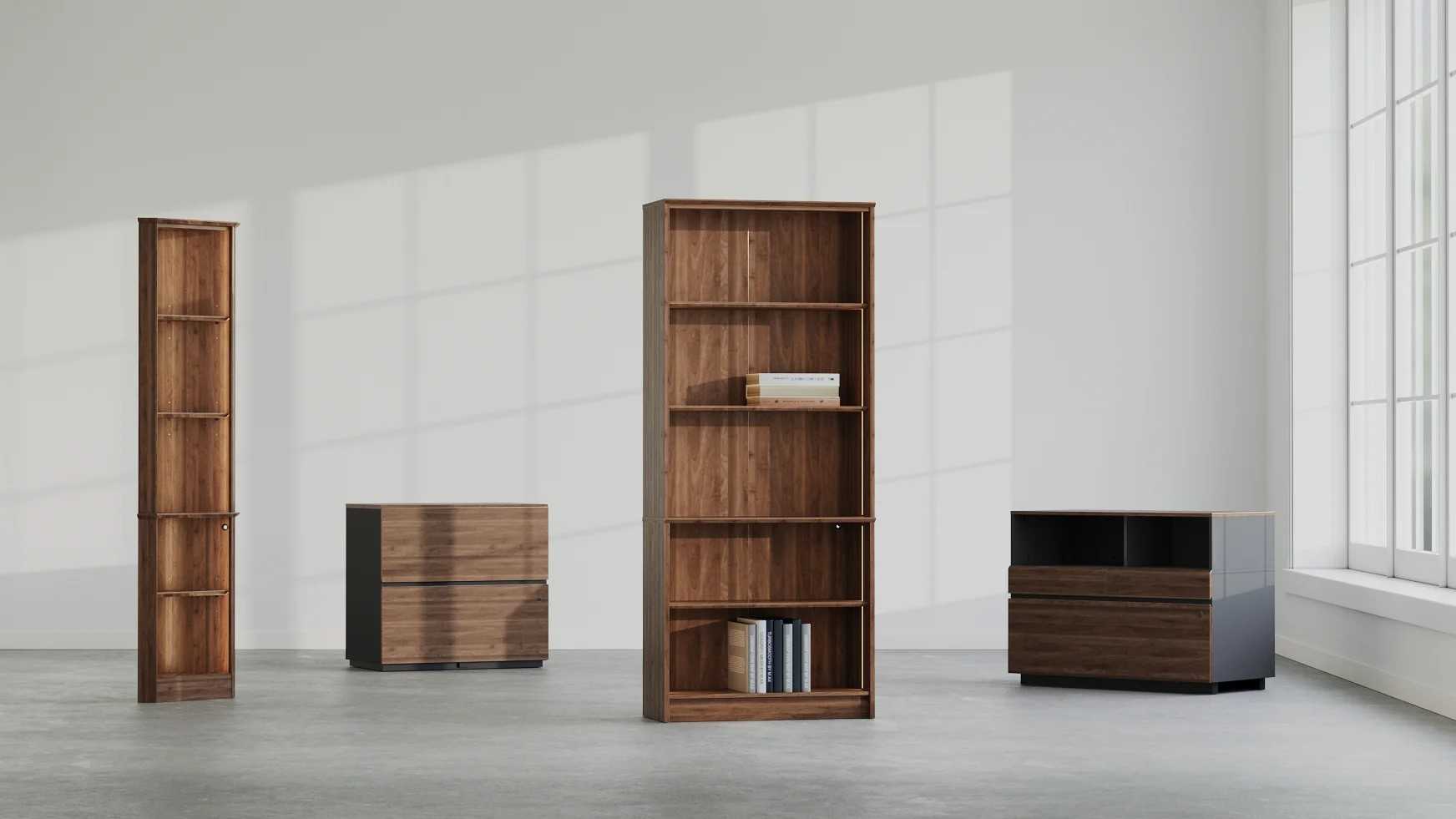
File Cabinet Setup Ideas for Shared Office Spaces
Sharing an office can make better use of available space, encourage collaboration and reduce the cost of maintaining a separate workspace. However, when several people use the same room, keeping paperwork organised can quickly become challenging. Documents get mixed together, drawers become overcrowded and employees may waste valuable time looking for files that someone else has moved.
https://vernalspace.co.uk/products/vernal-bookcase
https://vernalspace.co.uk/collections/storage
https://vernalspace.co.uk/products/file-cabinets
https://vernalspace.co.uk/prod....ucts/vernal-storage-
https://vernalspace.co.uk/prod....ucts/vernal-modular-
A well-planned filing arrangement can prevent these frustrations. The aim is to create a system that gives everyone convenient access to shared resources while keeping personal documents organised and confidential information protected. Furniture selection, drawer allocation and clear filing procedures all contribute to a more efficient environment.
Whether you are arranging a small business office, a co-working area or a shared home workspace, these practical ideas can help you establish an organised filing system that works for everyone.
Choose a Wood File Cabinet That Suits the Office
The first step is selecting a filing cabinet that matches the number of people using the workspace and the volume of paperwork they handle. A compact unit may be sufficient for two colleagues sharing occasional documents, while a larger office may require several drawers or dedicated filing sections.
Consider construction quality, drawer mechanisms and overall dimensions before making a decision. A wooden finish can introduce warmth into a professional environment, particularly when combined with desks and shelving in complementary colours. However, appearance should never replace practical considerations such as load capacity and stability.
Measure the available floor area and allow enough clearance for drawers to open completely. The cabinet should remain accessible without obstructing chairs, walkways or frequently used equipment. A carefully positioned unit can improve organisation without making a shared room feel crowded.
Establish Clear Sections with a File Cabinet with Drawers
One of the simplest ways to manage shared paperwork is to assign a specific purpose to each drawer. Rather than allowing everyone to place documents wherever space is available, establish clear categories that make filing and retrieval predictable.
For example, one drawer might contain current administrative documents, another could hold invoices and financial records, while a third might accommodate ongoing project files. Where several departments share the same office, drawers can also be allocated according to team responsibilities.
Use consistent folder labels and colour-coded dividers to distinguish categories quickly. Avoid creating too many sections, as an overly complicated system can become difficult to maintain. The objective is to make document retrieval straightforward for everyone who has permission to access the relevant files.
Consider a Lateral File Cabinet for Collaborative Workspaces
In offices where employees regularly share documents, a lateral filing arrangement can provide a useful way to organise wider collections of paperwork. Its horizontal drawer design can accommodate folders side by side, depending on the model, making separate categories easier to identify.
This configuration may be particularly suitable for teams that manage several projects simultaneously. Each drawer can represent a different activity, client category or administrative function, reducing the likelihood of unrelated paperwork becoming mixed together.
Check drawer dimensions, extension clearance and loading limits before purchasing. Position the unit where employees can access it without interrupting colleagues or blocking movement. For heavily used filing areas, leaving sufficient standing room in front of the cabinet is especially important.
Keep Personal Documents Separate with a Lockable Storage Cabinet
Shared offices often contain documents that should not be available to every person using the room. Employment records, financial information, confidential correspondence and sensitive business papers may require restricted access.
A lockable cabinet provides an additional level of control by limiting casual access to selected belongings. Consider which employees require access, how frequently documents need to be retrieved and who will be responsible for managing keys or access credentials.